
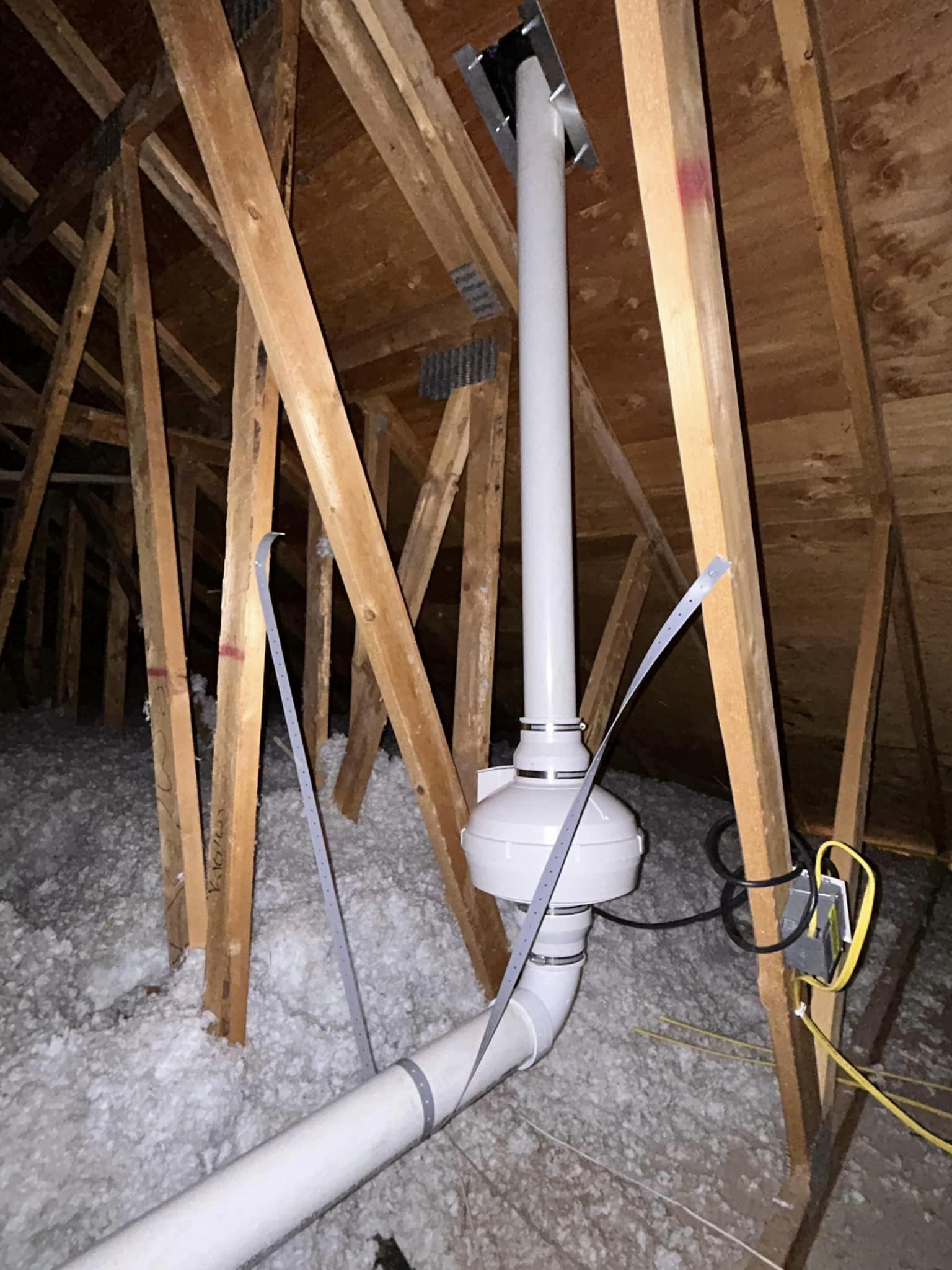
Why isn't my radon fan working?
A radon fan that has stopped may have a power problem or a failed component. A changed system indicator can also reflect a gauge or tubing issue. These clues help direct an inspection, but none identifies the cause by itself.
From a safe, accessible location, note whether the fan makes its normal sound and photograph the gauge. Do not open electrical housings or climb to inspect an inaccessible fan. Tell the technician about recent electrical work, an outage or changes to the piping.
- Record when you first noticed the problem.
- Keep the existing fan label or model number available.
- Send a photo showing the whole gauge and scale.
What does a radon alarm sound like?
A radon system alarm may use a buzzer, light or display, depending on the installed monitor. Identify the device before interpreting its signal. A pressure-loss alarm reports a system condition; a separate radon monitor measures the gas concentration.
Record the model and message instead of assuming every beep has the same meaning. Keep the instructions with the service request. If you cannot identify the device, a clear photograph can help Air Sense decide what information is needed next.
Do you repair radon systems another company installed?
Yes. Air Sense states that it replaces fans on systems installed by other companies. You can request an assessment even when you did not own the home at installation or cannot reach the original contractor.
Bring any records you have, but do not postpone asking because the file is incomplete. The existing layout and condition still need review before the repair scope can be confirmed.
- Previous installer and approximate installation year, if known.
- Prior invoices, warranty documents or radon reports.
- Photos of accessible pipework and the fan label.
What happens on a radon repair visit?
A useful radon repair visit connects the reported symptom with the system's condition. Ask for an explanation of the findings and the proposed repair before approving work. Replacing a fan and establishing the indoor radon level are separate tasks.
Confirm how the system will be checked after repair and whether follow-up radon testing is included or arranged separately. Save the new component details and any updated operating instructions for the next owner or future service call.
- Describe the symptom before proposing a replacement part.
- Ask what the diagnosis supports and what remains uncertain.
- Record the repaired system's operating indication.
How much does radon system repair cost?
Radon system repair cost depends on the diagnosis, access and parts required. A gauge correction, fan replacement and pipe modification are different jobs. Air Sense provides the repair scope and quote for the system being assessed.
Ask what is included in the price: parts, labor, any electrical coordination and post-repair testing. A price for a new mitigation installation is not a dependable estimate for an existing-system repair.
- Confirm the part and labor scope.
- Ask about applicable warranty coverage.
- Clarify whether a separate test is recommended.
Questions before you book
Does a running fan prove that radon is low?
No. Fan operation and pressure readings describe the equipment. A radon test measures the concentration indoors.
Should I turn the fan off because it is noisy?
Do not use routine shutdown as a noise solution. Arrange assessment and follow the manufacturer's safety instructions if a fault is suspected.
Can I request service without the original paperwork?
Yes. Send the address, symptoms and accessible photos. Air Sense can tell you what else is needed to assess the system.